Understanding Beck's Road Construction Projects: A Map and Timeline Explainer
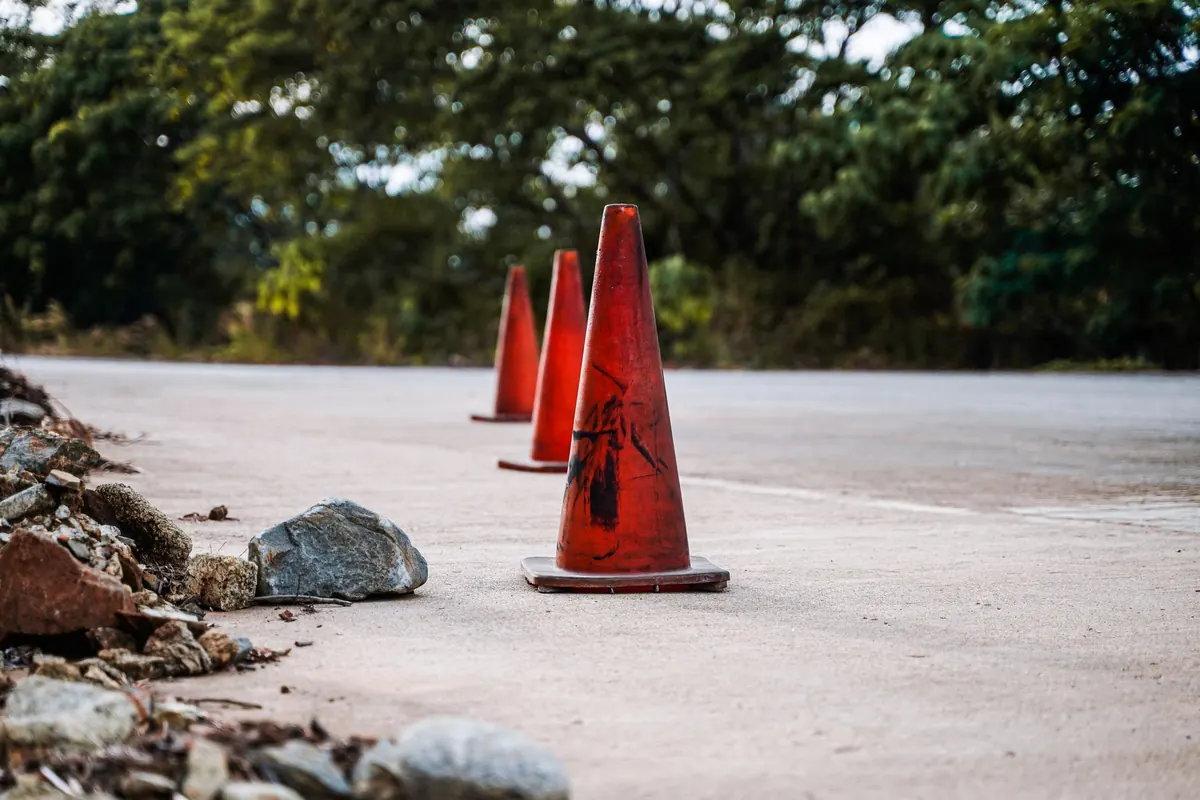
If you turned onto Mill Street this week and met a wall of orange barrels, you are not imagining things. Beck has more road work running at once than it has in years, and the busiest stretches will not be finished before the weather turns. The good news is that very little of it is random. Projects are sequenced, detours are signed, and once you understand how the schedule works, you can plan around it instead of driving straight into it.
What follows is a plain-language breakdown: what is being built, how to read the project map, which detours actually save time, and how to find out the moment a schedule changes.
The Four Kinds of Work Happening in Beck
Most of the confusion at the curb comes from lumping every project together. They are not the same, and they do not run on the same clock.
- Full reconstruction. The road is torn down to the base, utilities are replaced, and everything is rebuilt. Expect months, not weeks, and expect full closures for stretches at a time.
- Resurfacing. The old top layer is milled off and a new surface is laid. This is the fastest category — often a few days per block — but it is noisy, and parking disappears while it happens.
- Utility replacement. Water, sewer, gas, and fiber crews work under the street. This is usually the earliest phase of a larger project, and it is often the slowest, because crews find things nobody had on the drawings.
- Intersection and signal work. Turning lanes, curb ramps, and new signal timing. Small footprint, big ripple, since one intersection can back up three surrounding streets.
The practical takeaway: if you see fresh asphalt on a street that was torn up last spring, that is normal. Utility work frequently finishes a year or more before paving, which is why some roads look abandoned when they are simply waiting their turn.
How to Read the Project Map
Colors and line styles
Most project maps use a similar shorthand, though every town's legend is a little different — check the key before you trust your memory. Solid lines usually mark the active work zone. Dashed lines are signed detours. A lighter shade often means work is planned but not started. Where a project is split into phases, the map may show several colors along one street, which is how a single road can be "closed" and "open" at the same time depending on which block you mean.
The dates matter more than the map
Pay attention to three different dates, because they answer three different questions. The start date tells you when equipment arrives. Substantial completion is when the road reopens to traffic — this is the one you care about. Final acceptance is the paperwork stage, when punch-list items like striping, signs, and landscaping get finished. A project can be fully drivable for weeks while it is still technically open. When a neighbor says "they're still not done," they are usually describing that gap.
Schedules also move. Rain, cold mix, supply deliveries, and unexpected underground conditions all push dates. Treat any date more than a month out as an estimate, and check for updates before you commit to a route.
Detours: What Actually Helps
The signed detour is designed to move the most cars safely, not to be the fastest route for you specifically. It is often longer than the shortcut you know. Here is how to handle that.
- Learn two alternates, not one. When everyone shifts to the same side street, it jams within a day. A second option keeps you moving.
- Be careful with neighborhood cut-throughs. They save time for the first week. After that, residents complain, and temporary speed enforcement tends to appear.
- Add time, don't gamble. During active paving or utility work, ten to fifteen extra minutes covers most trips across town. Guessing wrong costs more.
- Watch the last hundred feet. Most collisions in work zones happen at the transition, where traffic merges from two lanes into one.
- Respect the flagger. A flagger's stop sign is a traffic signal. Rolling past one is both dangerous and expensive.
The Timeline, Phase by Phase
A full reconstruction typically follows the same order. Knowing the phase tells you how much longer you will be living with it.
- Utility relocation. The longest and least predictable stage. You will see trenches, plates, and street parking gone.
- Excavation and grading. Loud, dusty, and fast-moving. Full closures are common here.
- Base layer. Gravel and stone go down. The road is passable but rough and often left unpaved overnight.
- Paving. The visible milestone. Binder course first, then the top layer, usually days apart.
- Striping, signs, and punch list. The stretch that feels endless because the road already looks done. It nearly is.
Where to Get Updates You Can Trust
Start with the town's public works page and its weekly construction bulletin — that is where schedule changes land first. Project hotlines, text or email alert signups, and the reader boards at the work zone are all worth using. Public meetings are where the bigger decisions get made, and agendas are posted in advance, so you can show up to the one that covers your street rather than the one that covers everything.
Social media is faster but noisier. Treat a neighbor's post as a tip, not a fact, and confirm it with the official source before you rearrange your morning.
When Something Goes Wrong
If a truck cracks your windshield, clips your mailbox, or blocks your driveway without notice, document it the same day. Photograph the damage, note the time and location, and keep any receipts. Then call the project's public information line and ask specifically how to file a claim. For anything beyond a minor repair, let your insurer handle the conversation.
If you spot a hazard — an unmarked trench, a missing sign, a dark work zone at night — call the project hotline or the non-emergency police line. For anything that could hurt someone immediately, call 911.
A Five-Minute Sunday Routine
Set aside a few minutes each weekend and the next few months get considerably easier.
- Check the weekly bulletin for schedule changes on your usual routes.
- Pick your primary and backup route, and drive the backup once so you know the turns.
- Add ten to fifteen minutes to any appointment across an active work zone.
- Save the project hotline in your phone under a name you will recognize.
- Tell anyone who drives to your house which entrance is actually open.
Road work is a nuisance with an end date, and this round has one. Until then, the drivers who fare best are the ones who check the map on Sunday instead of discovering the closure on Monday at 8:10 a.m.