Beck Youth Soccer Leagues Compared: Recreation vs. Competitive Programs
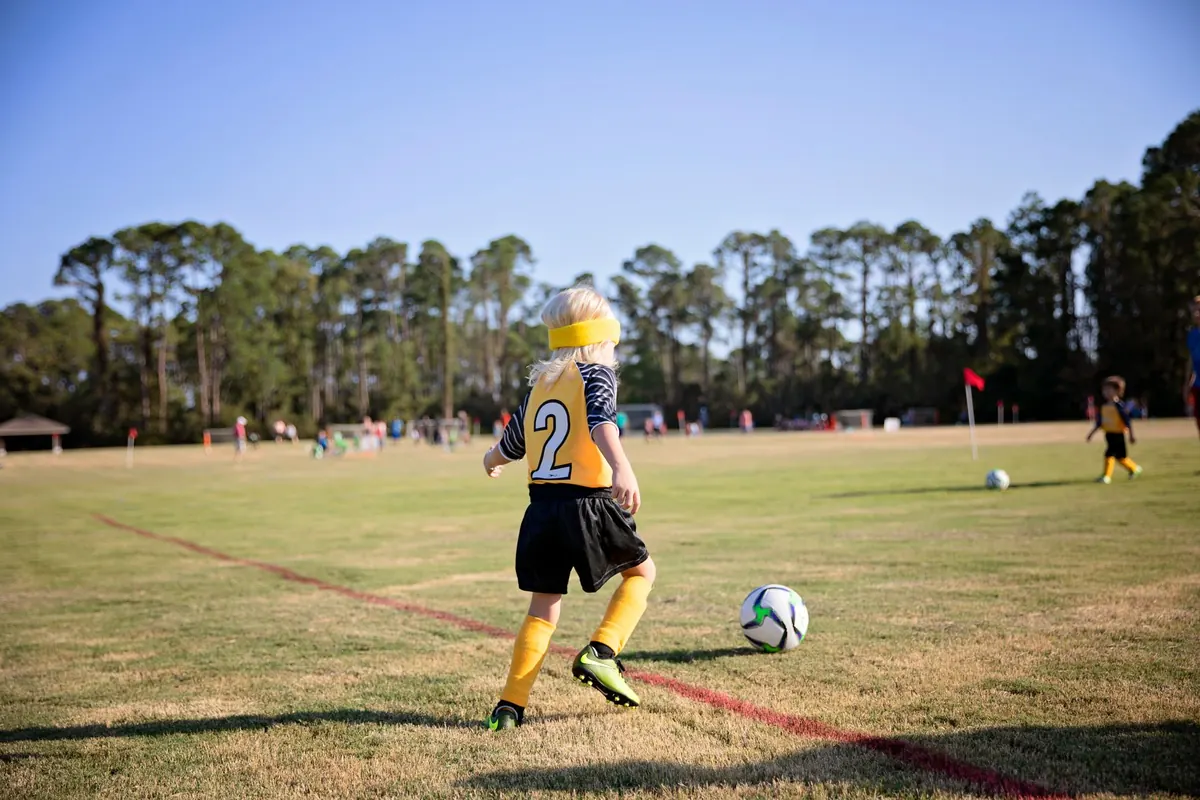
Registration season has a way of sneaking up. One week you're watching a seven-year-old chase a ball in a pack of twenty, and the next you're at a folding table in a school gym, comparing a recreation flyer with a competitive club brochure, trying to figure out which one your kid actually belongs in.
The honest answer is that both tracks are good — just good at different things. Recreation soccer builds a wide base of players who love the game. Competitive soccer builds a narrower group who want to be pushed. The trick is matching the program to your child and to your family's calendar, not to whichever one sounds more serious. Here's what each one really asks of you.
Two Tracks, One Sport
Recreation leagues in and around Beck are built for volume. Registration is usually open to anyone who signs up before the deadline, teams are formed by age group or school, and the goal is that every child who wants a jersey gets one. Practices run once or twice a week. Games are typically on Saturdays against teams from neighboring towns or from within the same league. Coaches are often parents, older siblings, or volunteers who took a training course over a weekend.
Competitive programs — sometimes called travel, select, or club soccer — are built for selection. Players try out, and not everyone makes a roster. Coaches are usually paid and licensed, training is more structured, and the season is longer. The expectation is that soccer is one of your child's main activities, not one of five.
Cost: Where the Real Differences Show Up
Base registration is only part of the picture. Rec fees are modest and usually cover the season. Competitive costs stack up, and they stack up fast. Before you compare two numbers on two flyers, ask each program what isn't included.
- Registration and league fees — the headline number for both tracks.
- Uniforms and gear — rec often reuses last year's shirt; competitive clubs frequently require new kits each cycle, plus warm-ups and a bag.
- Tournament entries — usually bundled into competitive fees or billed separately per event.
- Travel and lodging — gas, meals, and hotel nights add up over a season, especially for out-of-town tournaments.
- Coaching and facility costs — indoor winter training, technical sessions, and private lessons, which are optional but common at the competitive level.
- Fundraising obligations — some clubs require volunteer hours or a buyout fee.
If money is tight, say so. Many programs keep scholarship funds, fee waivers, or payment plans that aren't advertised on the website. Ask the registrar directly. Most people who run youth sports would rather quietly help a family than lose a player over a check.
Time Commitment: The Hidden Variable
This is where families get surprised, and it's rarely the games that hurt. It's the practice nights.
A recreation season is usually two to four months long with one or two weeknight practices and a weekend game. That's manageable alongside homework, other sports, and a Tuesday dinner that happens at home.
A competitive season commonly runs through fall and spring, with two or three practices a week, plus games, plus tournaments. Add a winter indoor session and it becomes a year-round rhythm. Multiply that by a sibling or two in different programs, and you're running a small logistics company out of your car. Before committing, sketch out a realistic week on paper — who drives, who picks up, what gets dropped.
Skill Level, Coaching, and Playing Time
Recreation is the right home for a beginner, for a kid who plays three sports and wants to keep all three, and for anyone who mostly wants to run around with friends. Skill development happens, but it happens slowly, and that's fine. Playing time is usually distributed fairly evenly, which matters enormously to a nine-year-old.
Competitive soccer suits players who are already comfortable on the ball and who genuinely want more. Training is more demanding, the pace is faster, and the feedback is more direct. The trade-off is that playing time is earned, not guaranteed. A player who was the best on a rec team may spend a season as a substitute. That can be motivating or crushing, depending entirely on the kid. Talk about it before tryouts, not after.
Travel: What the Calendar Looks Like
Recreation
Expect local games — usually within a short drive, often in the same town or a neighboring one. The farthest trip of the season might be a half-hour away, and most families carpool without much planning.
Competitive
League games can be an hour or more each way, and tournaments may require an overnight stay. A single weekend event can consume Friday evening through Sunday afternoon. Ask the coach for last year's actual schedule before you commit. It tells you far more than any pamphlet.
Questions to Ask Before You Register
- How many practices per week, and what time do they start?
- What is the total cost, including uniforms, tournaments, and travel?
- How is playing time handled, and are there written guidelines?
- What happens if my child misses practice or a game for a family obligation?
- Is there a refund policy if my child gets injured or wants to stop?
- Who coaches, and what training or background checks are required?
A Practical Way to Decide
Ask your child one question: do you want to play soccer more, or do you want to play soccer with your friends? The first answer points toward competitive. The second points toward recreation, and there is nothing lesser about it. Plenty of strong high school players started in a rec league and stayed there through middle school.
If you're still unsure, try a middle path. Play recreation for another season and add a low-pressure skills clinic or a summer camp. That gives you a sense of your child's appetite for more training without signing a year of weekends away. Revisit the decision each spring — kids change, and so do family schedules.
One last note: if your child has an injury history, a heart condition, or any ongoing health concern, check with a pediatrician before taking on a heavier competitive schedule. And whatever you choose, keep the first season low-stakes. The families who enjoy youth sports most are the ones who picked a program that fit their real life, not the one that sounded most impressive at the registration table.
Photo: Amber Faust / Pexels