Neighborhood Watch Starter Guide: First Five Steps for Beck Residents
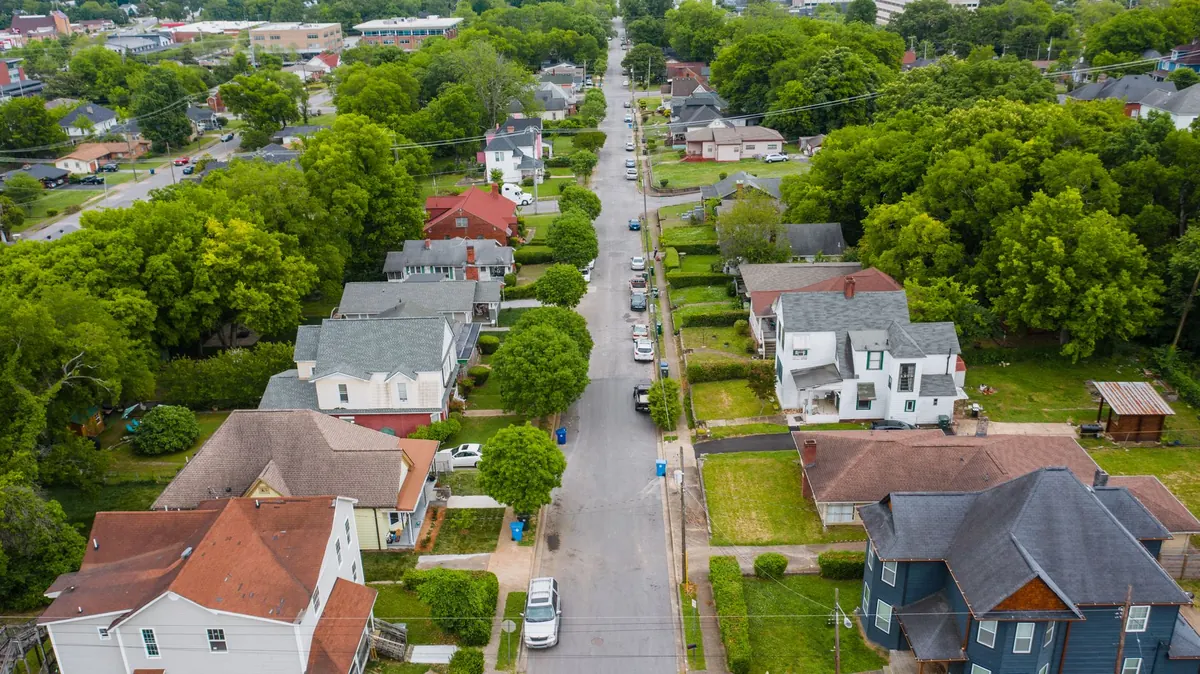
A neighborhood watch is not a patrol. It is a habit: a few neighbors who know each other's names, know what a normal Tuesday looks like on their street, and know who to call when something isn't normal. Interest in Beck usually spikes after a run of car break-ins, a package taken off a porch, or a string of unfamiliar cars idling at the corner. That frustration is a fine starting point. What you need next is a plan that fits a real street with real schedules.
The good news is that a watch group can be up and running in a couple of weeks without bylaws, badges, dues, or anyone walking around at midnight with a flashlight. Here are the first five steps, in the order that tends to work.
Step One: Find Out Who Actually Wants This
Start with your own block, not the whole neighborhood. A group covering one or two streets, or a single apartment cluster, is far easier to organize and much more useful than a sprawling email list where nobody recognizes a name.
Talk to people in person. A handwritten note under the door or a quick conversation at the mailbox reaches the neighbors who never open a social media app, and those are often the ones who notice what happens during the day. Ask a simple question: "If we started a group that meets a few times a year and shares alerts, would you come?" A dozen households is plenty to begin.
While you're knocking, note the small details. Who is home during the day? Who works nights? Who has a dog that barks at every delivery van? Who has lived here twenty years and remembers when the drainage ditch by the corner flooded? That local knowledge does more for a watch group than any equipment.
Step Two: Introduce Yourself to the Police
Before the first meeting, call the police non-emergency line and ask two questions: who handles community liaison for this area, and would they be willing to attend a meeting? Most departments have an officer or civilian staffer whose job includes neighborhood groups, and many will send someone to explain what they want from residents.
What they usually want is simple: report what you see, when you see it, and don't intervene. Ask the liaison to confirm the numbers your group should use — the emergency line for anything in progress, the non-emergency number for everything else, and whether the department has an online reporting portal or anonymous tip line. Print those numbers at the top of every handout you make, so no one has to search for them later.
This is also the point to ask about the questions people always raise and rarely get straight answers to: what's legal to record from a porch or a shared hallway, when a camera pointed at a common area becomes a problem, what constitutes trespass on an alley easement. Those answers vary by place and by situation. Ask your police liaison, and for anything with real legal weight, ask an attorney rather than relying on what a neighbor heard.
Step Three: Pick a Meeting Rhythm You Can Keep
Quarterly is usually the sweet spot. Monthly meetings burn people out by March; annual meetings mean nobody remembers anyone's name. Sixty minutes is enough if you keep the agenda tight. Here's a first-meeting outline that works:
- Introductions. Name, street or building, how long you've lived here.
- What people have noticed lately. Ten minutes, no editorializing about who did what.
- Guidance from the police liaison, if they were able to attend.
- What this group will and will not do — a short, clear agreement, discussed below.
- Choose a point of contact and a backup, plus someone to take notes.
- Set the next date before anyone leaves the room. This single habit keeps groups alive.
Meet somewhere easy: a library room, a church hall, a community center, a park shelter, or a rotating living room. Rotating hosts spreads the work and gets people onto each other's porches. Keep a sign-in sheet so your contact list grows itself, and let the notes be five bullet points emailed the next day rather than formal minutes.
Step Four: Choose How You'll Share Information
Pick one primary channel and one backup. A group text thread, an email list, or an app-based neighborhood group all work; the right choice is the one your least technical neighbor will actually check. If several households aren't online at all, print a one-page update every month or two and walk it around. It sounds old-fashioned. It also gets read.
A few ground rules keep a channel from turning toxic or useless:
- Report what you observed, not who you suspect. "Silver sedan, no plates, circling twice at 9 p.m." is useful. "I think the guy at 412 is up to something" is not.
- No names, addresses, or descriptions of children.
- Emergencies go to the emergency line first, not the group chat. The chat is for the follow-up.
- Keep it short. Long threads get muted, and muted neighbors miss the one message that mattered.
Step Five: Decide What the Group Does — and Doesn't Do
A watch group's work is noticing, reporting, and sharing. It also includes the unglamorous improvements that make a street harder to target: reporting a burned-out streetlight, asking the city to trim shrubs that block sightlines, fixing a latch on a shared gate, getting to know the people who work in the shops at the corner.
What it is not is a patrol with authority. Nobody in a watch group should chase, confront, detain, follow, or question anyone. That's dangerous for the person doing it and legally risky depending on where you live. If you see a crime in progress, call the emergency line and be the best witness you can be: what you saw, where, when, direction of travel, vehicle description, and whether anyone was hurt.
Many groups add small social projects on top of the watch itself — a summer block party, a coffee hour for new residents, a check-in roster for older neighbors during heat waves or storms. These aren't distractions. They're the reason a group still exists two years from now. People come for the potluck and stay for the watch.
Keeping It Going Past Month Three
Enthusiasm is easy in week one and hard in month four. A few habits protect against the fade: keep meetings short and on a standing schedule, rotate the lead role every year so no one becomes a permanent unpaid administrator, greet new residents within a week or two of the moving truck, and refresh the contact list twice a year. When a neighbor reports something and police actually respond, say so in the group. People need to see that speaking up changes something.
And treat a quiet year as a success, not a failure. A street where nothing happens is the outcome you were aiming for.
Your First Two Weeks, Plainly
This weekend, knock on eight doors and write down who's interested. Monday, call the police non-emergency line and ask for the community liaison. Tuesday, book a room or claim a living room for a date three weeks out. Then send one page: the date, the time, the address, and the three things you want to cover.
That's the whole launch. Everything else — the contact list, the meeting rhythm, the printed updates — grows out of the first twenty minutes when a handful of neighbors sit in the same room and figure out they're all paying attention to the same street. For anything involving reporting, recording, liability, or local ordinance, check with your police liaison or a lawyer; every jurisdiction draws those lines a little differently.
Photo: K / Pexels