Beck Farmers Market Season Guide: What to Expect and When to Go
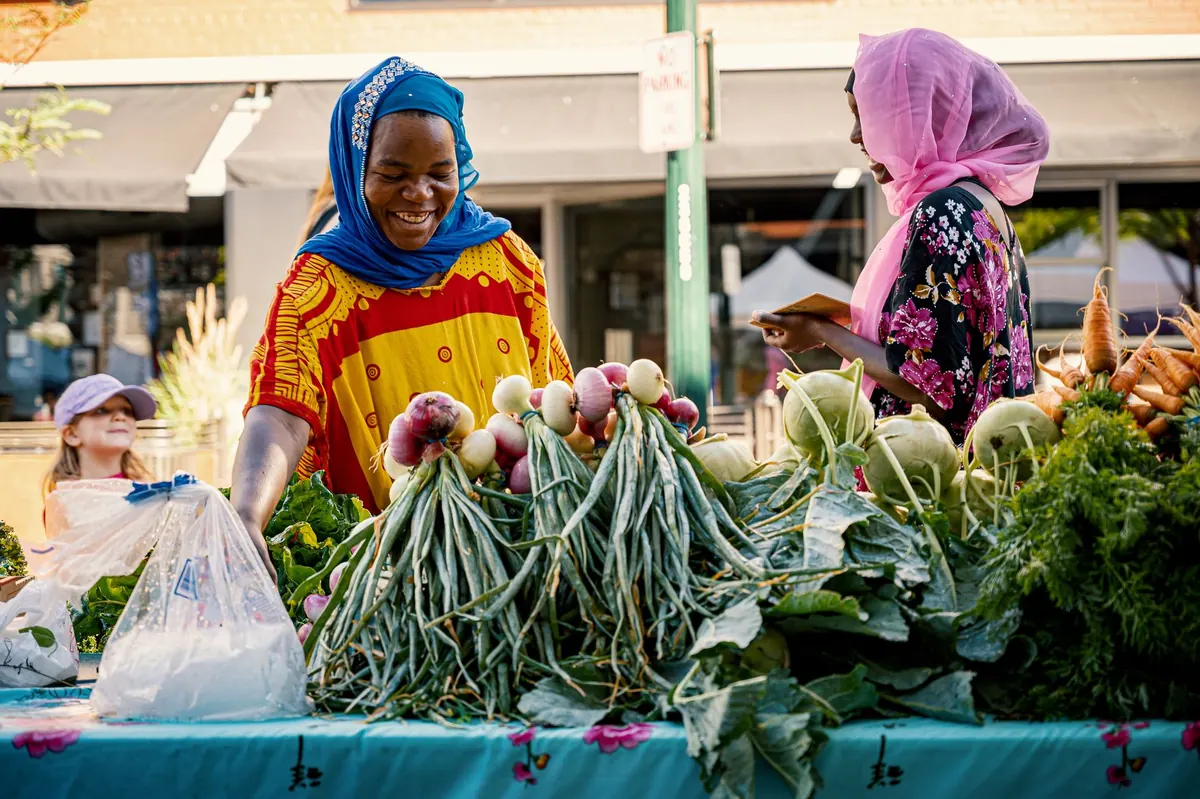
A Saturday at the Beck Farmers Market starts slow and gets loud. Vendors haul coolers out of pickup beds before the bell, the coffee cart starts steaming, and by the time the first tomatoes are weighed, someone is tuning a fiddle near the north end of the lot. If you have been meaning to make the trip, or you come every week and want to get more out of it, a little planning goes a long way. Here is how the season works, who sets up a table, where to park, and which months are worth clearing your calendar for.
When the Market Runs
The main event is Saturday morning, running from early spring through the end of autumn, with the busiest stretch in the middle of summer. A smaller midweek market appears on Wednesday afternoons during peak season — fewer vendors, shorter lines, and a decent chance of finding bread and vegetables after work. Around the holidays, expect a couple of special dates with crafts, greenery and hot food.
Timing matters more than you might think:
- First hour: best selection, shortest lines, and the pick of anything limited, like mushrooms or berries.
- Mid-morning: the crowd peaks. Bring patience for the aisles and expect a wait at the popular food stalls.
- Final half hour: some growers drop prices to avoid packing up, but the good stuff is usually gone.
Schedules shift for holidays, weather and harvest timing, so check the market's own listing before you drive across town.
Who Sets Up a Table
Not every stall is the same kind of business, and knowing the difference helps you shop well.
Farmers and growers
These are the tables piled with whatever came out of the ground that week — greens in spring, stone fruit in summer, squash and root vegetables into fall. Ask what was picked today. Growers are usually happy to talk about varieties and how to cook something unfamiliar.
Bakers and prepared food
Bread, pastries, jams, pickles, dumplings, tamales. Arrive early for the items that sell out, and ask whether you can reserve a loaf for the following week; preorders are common at bakery stalls.
Makers and crafts
Soap, pottery, candles, wooden spoons, knitted things. Quality varies widely. If you are buying a gift, ask how the item is made. A real maker will happily explain the process, and the answer tells you a lot.
Community and service stalls
Nonprofits, the library, a knife sharpener, occasionally a repair stand. These rotate through the season and are easy to miss if you walk the same aisle every week.
The Seasonal Calendar
The market changes character month by month. Here is the rough arc; exact timing depends on the weather.
Late spring
Asparagus, radishes, peas, lettuce, spinach, green garlic, herbs, rhubarb. The first strawberries show up and vanish fast. Cool mornings, thin crowds, and parking everywhere.
Early and high summer
This is the peak. Berries, cherries, cucumbers, zucchini, green beans, new potatoes, sweet corn, tomatoes, peppers, peaches. Come early, bring a wide bag, and plan meals around what looks best rather than a fixed list.
Late summer into early fall
Tomatoes at their best, plus melons, plums, eggplant and the first apples. This is the heaviest shopping month for anyone who preserves or freezes, so expect competition for bulk quantities.
Fall
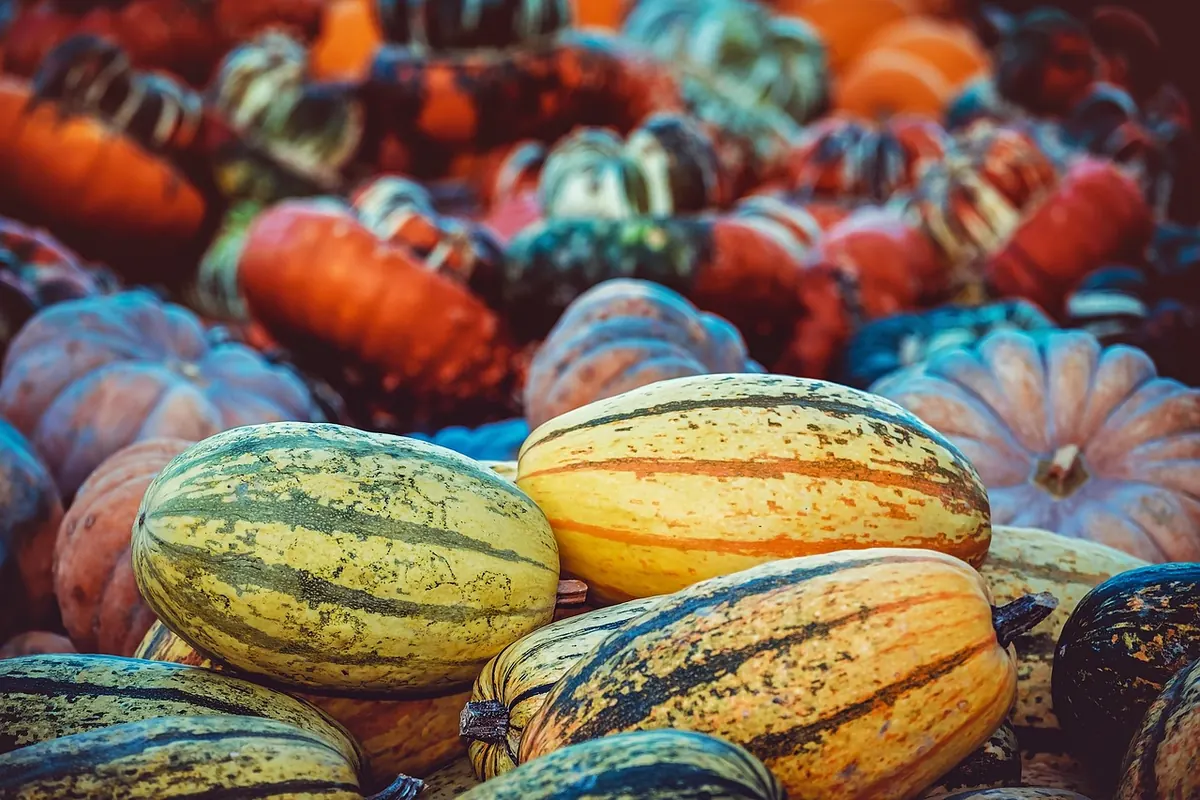
Squash, pumpkins, apples, pears, cider, Brussels sprouts, greens, onions and garlic braids. Fewer vendors, calmer mornings, and the best baking of the year.
Parking and Getting There
Parking is the one thing people complain about, and it is manageable once you know the pattern.
- Arrive before opening if you want a spot in the main lot; it fills within the first hour.
- Use the side streets a block or two away and walk. You will usually beat the circling traffic.
- Bikes are the fastest option. Racks sit near both entrances, and they fill up too.
- Do not block driveways or hydrants. Enforcement is real, and it makes the market harder on the neighbors who host it.
- With a stroller or wagon, come early and use the wider outer aisle instead of the center row.
A Simple Plan for a First Visit
- Check the schedule and the forecast the night before.
- Bring a reusable bag, a smaller tote for delicate items, and some cash.
- Walk the whole market once before buying anything. Prices and quality vary more than you expect.
- Buy produce first, then meat, cheese and bread, then hot food to eat on the spot.
- Ask two questions at any stall: what is best today, and how do I cook it?
- Save the craft aisle for last, when your bags are full and you are in no rush.
Money, Bags and Small Courtesies
Most vendors now take cards and phone payments, but cash still moves faster and helps the smallest stalls. Small bills are appreciated. Bring your own bags; some vendors charge for them and many simply run out by mid-morning. Keep dogs on a short leash and away from food tables, and step aside before stopping for a photo of a display. If something is sold out by the time you arrive, ask whether it will be back next week. That is often how regular customers get first word on a harvest.
Before You Go
The market rewards a little routine. Pick one day a week and treat it as your shopping day, bring a list but stay flexible, and get to know two or three growers by name. That is how you end up with the good tomatoes, a standing bread order, and a Saturday morning you actually look forward to. Confirm the current season dates and hours through the market's own notice before a special trip, and if you are buying for someone with dietary restrictions, check with individual vendors about ingredients and preparation.
Photo: Brett Sayles / Pexels